
Alvis
Alvis Photos and Stories
The Early History of Alvis
The first Alvis engine was designed by Geoffrey de Freville and is also responsible for the company name. Alvis first started as T.G. John and Company. There first products where stationary engines, carburettors and motor scooters. The first Alvis badge was a winged green triangle but got changed to the red triangle incorporating the word Alvis as there were complaints from the Avro Aircraft Company as there were similarities in the badges.
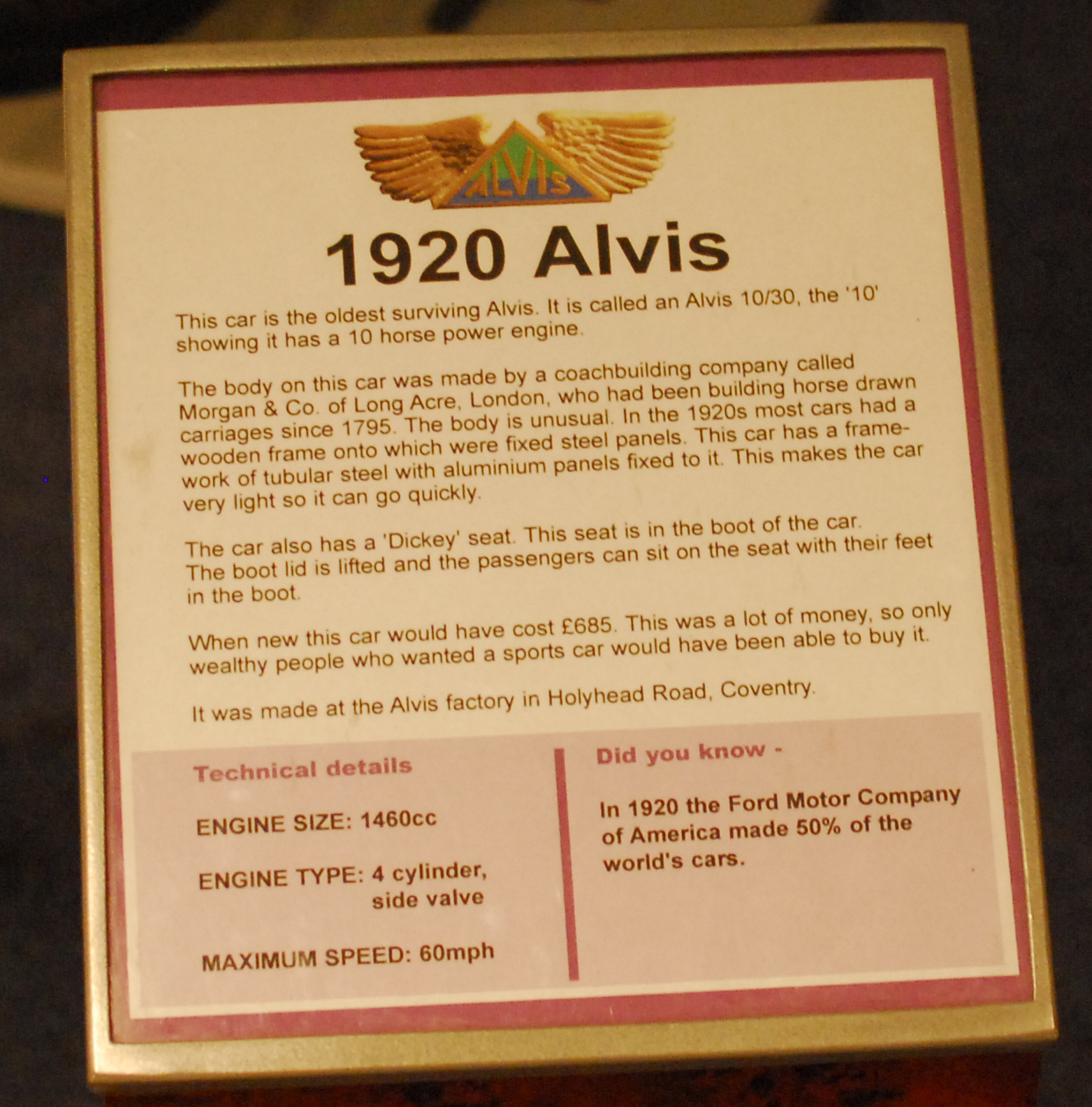
Alvis was based in Coventry England. Alvis first car was the 10/30 this Alvis had a side valve engine of 1460 cc 3 bearing crank shaft. With the gear change being on the right hand side of the car. The wheelbase of the car was 9'2". Maximum speed of the 10/30 was 60 mph. Only 603 10/30's were produced and there is only 4 cars known to survive.
In 1921 the Alvis range was extended with another car the 11/40 a more sporting model with a 1598 cc engine it was offered on the same chassis as the 10/30 or a shorter chassis with a wheelbase of 9' and half an inch and was renamed the 12/40 in 1922. The 11/40 only 382 where produced and there is only 2 known survivors. 1552 12/40's where produced and there is 40 known to survive.
Derek McDougall 2012.


Alvis Speed 25 1937
Image provided by: Del McDougall, Delmac Media & Photograpy
The Alvis Speed 25 was a British touring car made between 1936 and 1940 by Alvis Ltd in Coventry. Widely considered one of the finest cars produced in the 1930s it replaced the Alvis Speed 20. The earlier car's six-cylinder, four main bearing engine was replaced in the Speed 25 with a similarly designed larger six-cylinder in-line unit with seven main bearings for which an output of 110 PS at 3,800 rpm was claimed (and proven) along with a top speed of almost 100 mph. It propelled the occupants at high speed in exceptional luxury accompanied by the attractive sound of a powerful deep and throaty exhaust.
The clutch, fly wheel and crankshaft were balanced together, which minimised vibration. The cylinder head was of cast iron but the pistons were of aluminium. Two electric petrol pumps fed the three SU carburettors, which were protected by a substantial air filter.
Alvis never supplied any of the bodies for the Speed 25; the cars were supplied in chassis form and firms such as Cross & Ellis (standard tourer) Charlesworth (standard saloon and Drop Head Coupe) as well as Vanden Plas, Lancefield Offord and others would fit suitably elegant open touring or saloon car bodies. The car was built on a heavy steel chassis with a substantial cross brace. With its sporty low slung aspect, all-synchro gearbox, independent front suspension and servo-assisted brakes, this was a fast, reliable and beautifully made car, although at almost £1000 it was not cheap.
Alvis only produced 391 Speed 25's in the 4 years it was in production, the speedo was fitted to the passenger side of the dashboard passenger side being the left of the car in the UK to show passengers it could do the top speed of almost 100 mph. The Speed 25 is now a very rare car with around 207 known to survive today.
Del McDougall. 2012
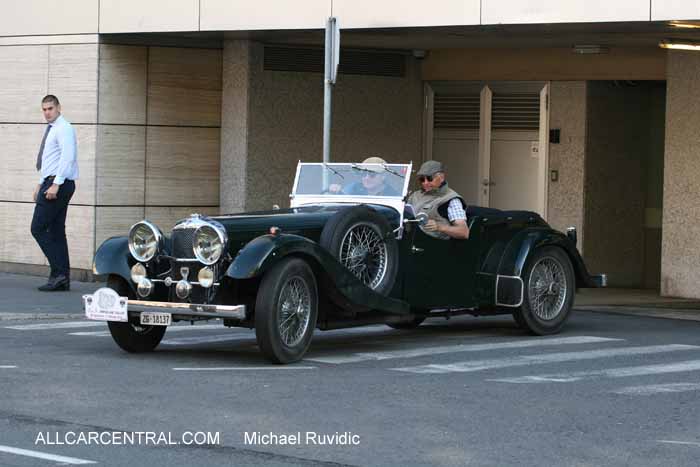
Alvis Speed 25 1937-1940
K.u.K. Grenzland Rally 2014
Michael Ruvidic Photo
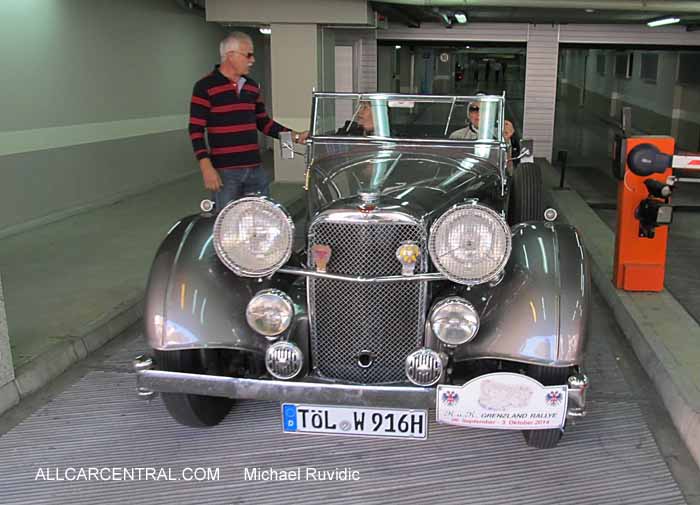
Alvis 4.3 litre 1936-1937
K.u.K. Grenzland Rally 2014
Michael Ruvidic Photo
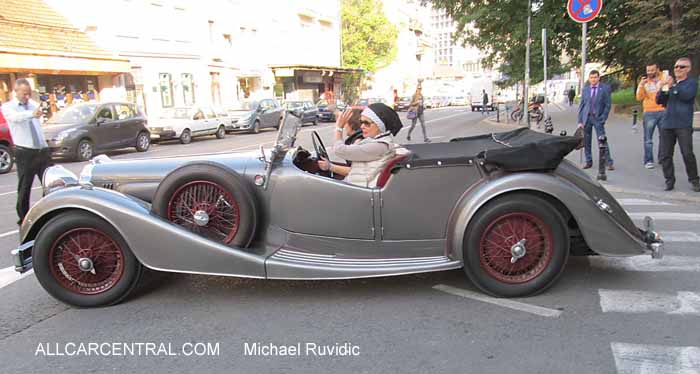
Alvis 4.3 litre 1936-1937
K.u.K. Grenzland Rally 2014
Michael Ruvidic Photo
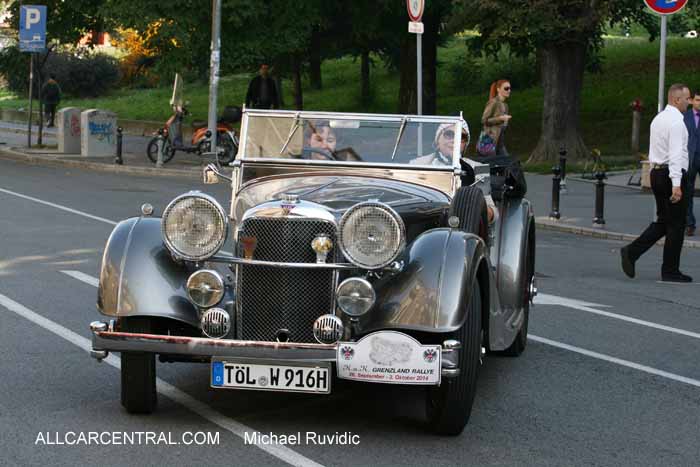
Alvis 4.3 litre 1936-1937
K.u.K. Grenzland Rally 2014
Michael Ruvidic Photo
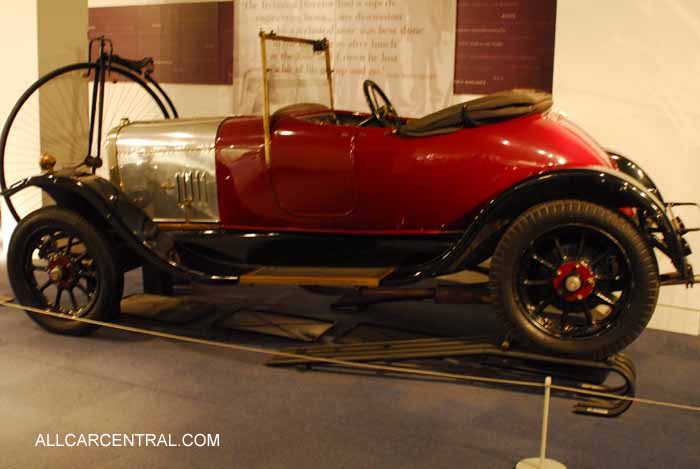
Alvis 10-20 1920
Coventry Transport Museum 2014
Descriptive Poster For This Car - JPG file
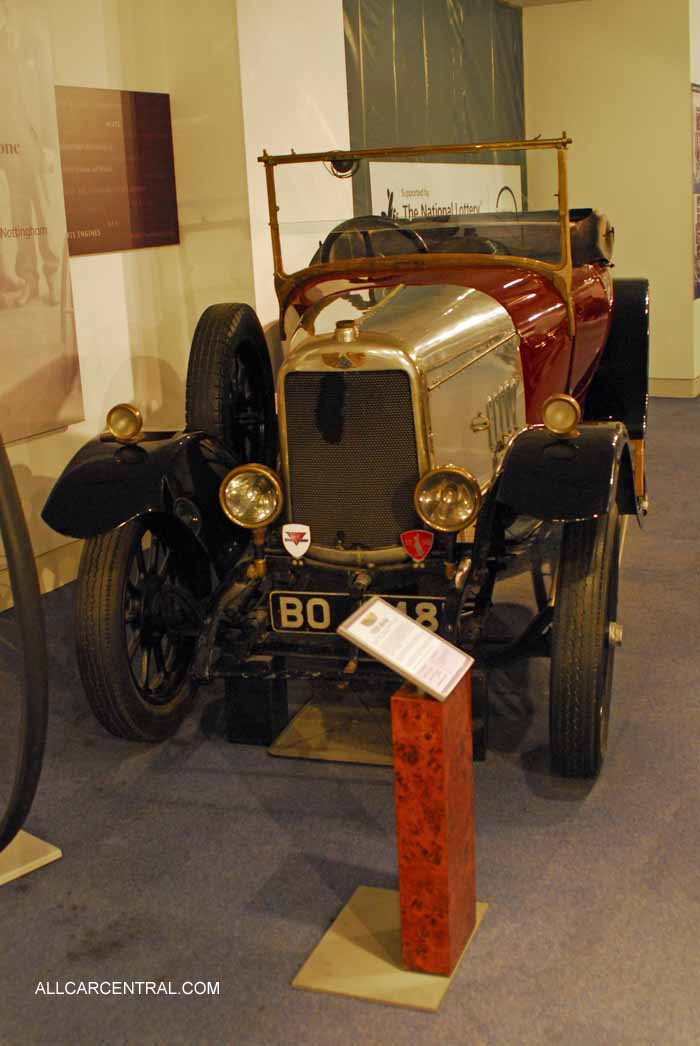
Alvis 10-20 1920
Coventry Transport Museum 2014
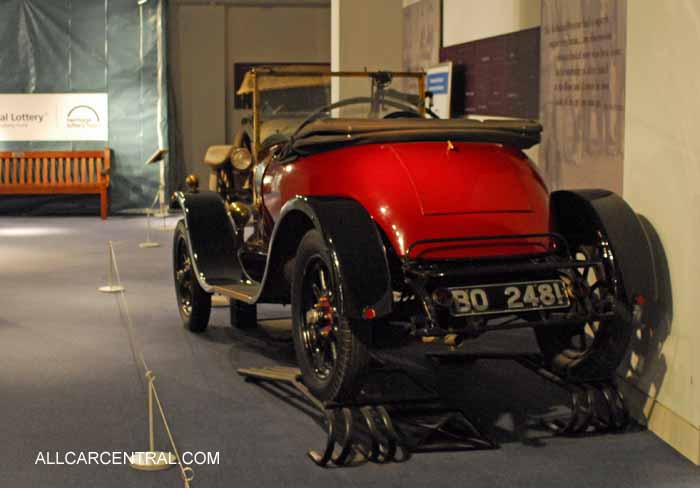
Alvis 10-20 1920
Coventry Transport Museum 2014
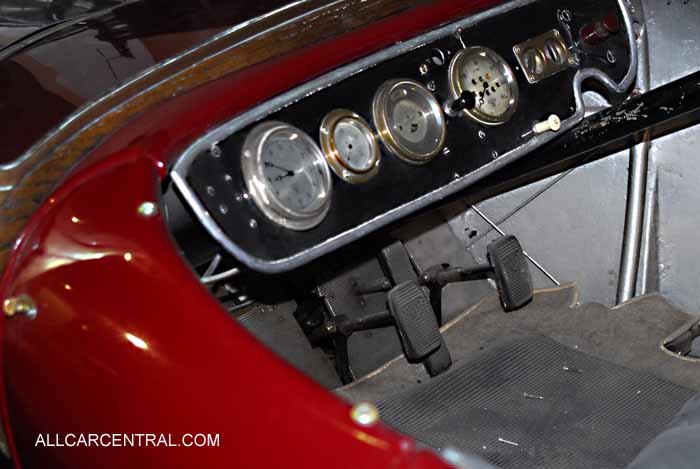
Alvis 10-20 1920
Coventry Transport Museum 2014
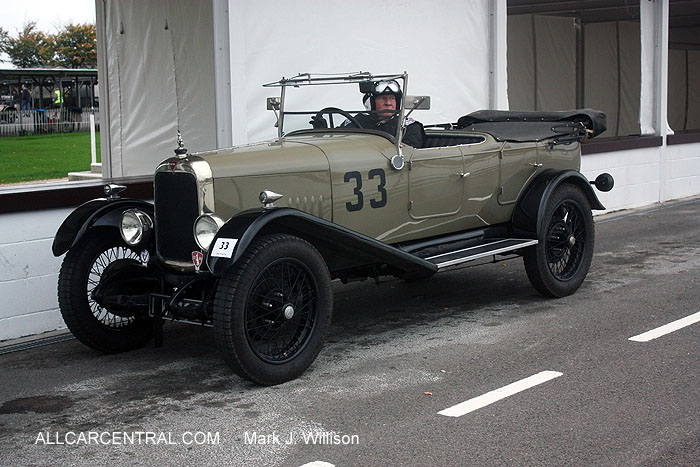
Alvis 12-50 TJ 1932
Vintage SportsCarClub Goodwood 2015 Mark J Willison Photo 2015
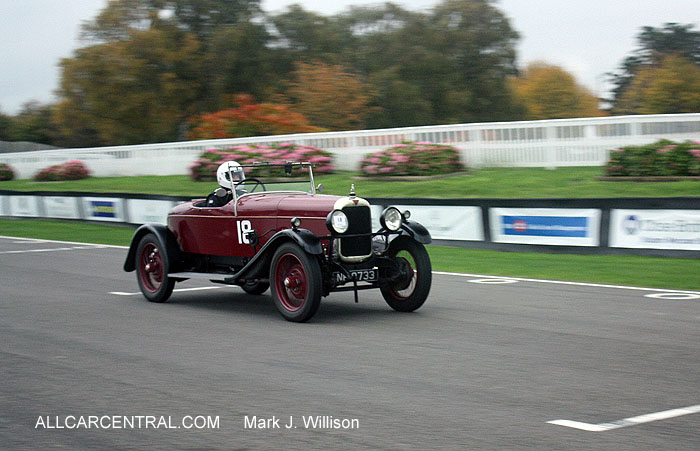
Alvis 1250 SD 1927
Vintage SportsCarClub Goodwood 2015 Mark J Willison Photo 2015
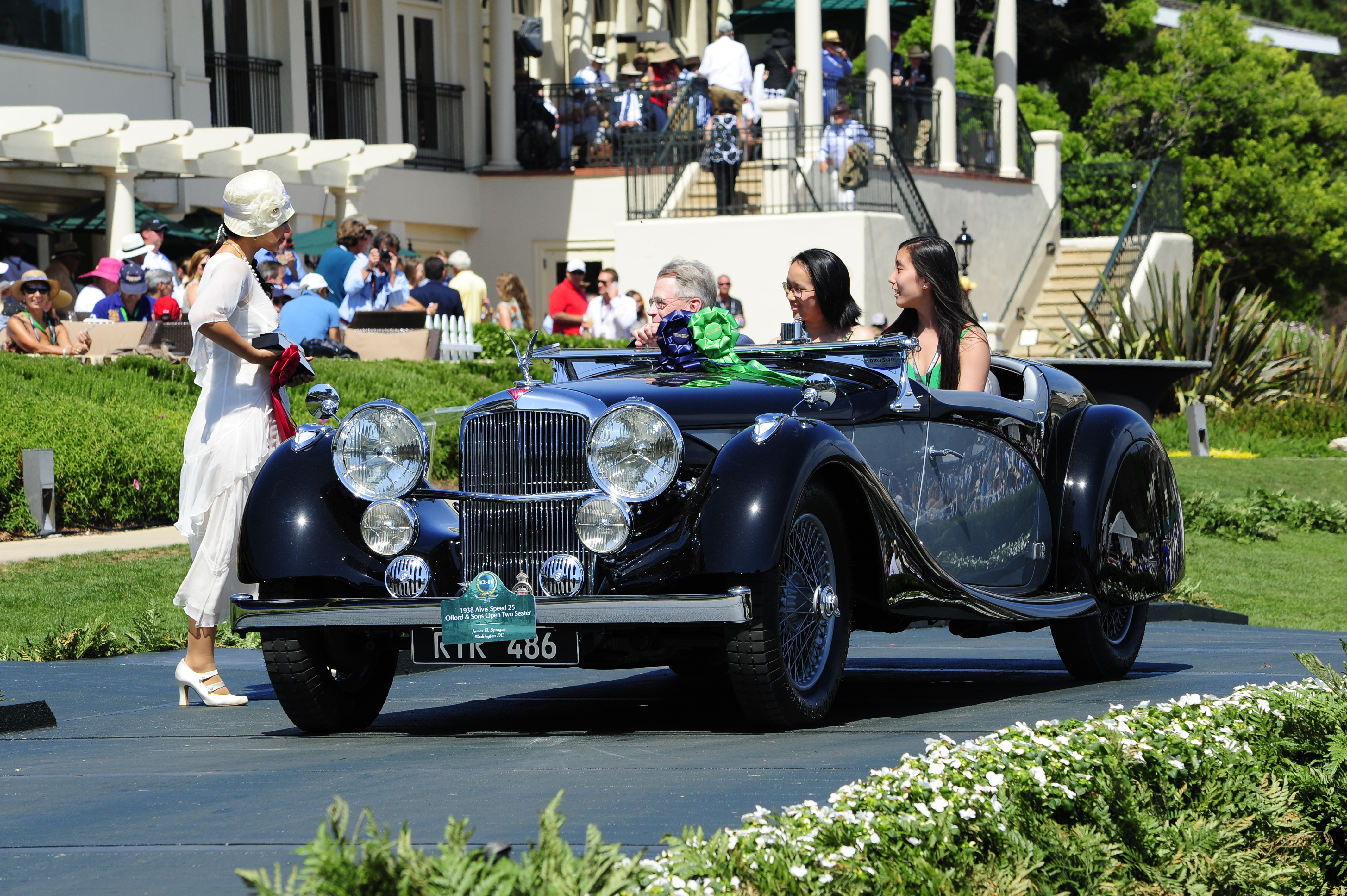
Alvis Speed 25 Offord & Sons Open Two Seater 1938
Pebble Beach Concours d'Elegance 2015



All Cars • • Racing • • VINTAGE • • Shows • • Gallerys • • Contact